Dear Rich: While scoring a movie I've been asked to use two existing TV themes. Is this even doable? Do I need a music lawyer? Anything is doable in the world of music licensing. Assuming the owners of the TV themes are open to licensing the rights, the major factors affecting the licensing price will be the type of film -- indie, documentary, studio feature (in other words, your budget), whether the song will be included on a soundtrack recording, whether you will recreate the theme (or use an existing recording), the length of use and where it is placed within the movie (for example, over opening or closing credits), and whether the theme will be used in advertising for the movie.
Do you need a lawyer? A lawyer's advice can be helpful, particularly if you must furnish the licensing agreements. But it may not be as essential if someone in the production has experience with these types of negotiations (and the TV theme owners are furnishing the agreements). You may find it more cost effective to deal with a music licensing agent, an expert in music licensing and clearance, instead of an attorney. These agents are familiar with the necessary rights and agreements and can negotiate terms that may be most favorable for your movie. Type "music clearance expert" into your search engine.
Theme music trivia: Director Robert Altman's 14-year old son earned a million dollars in royalties for writing the lyrics to the movie music (and TV theme) for "M*A*S*H. Altman earned $70,000 for directing the movie.
Showing posts with label music licensing. Show all posts
Monday, June 8, 2015
Wednesday, September 26, 2012
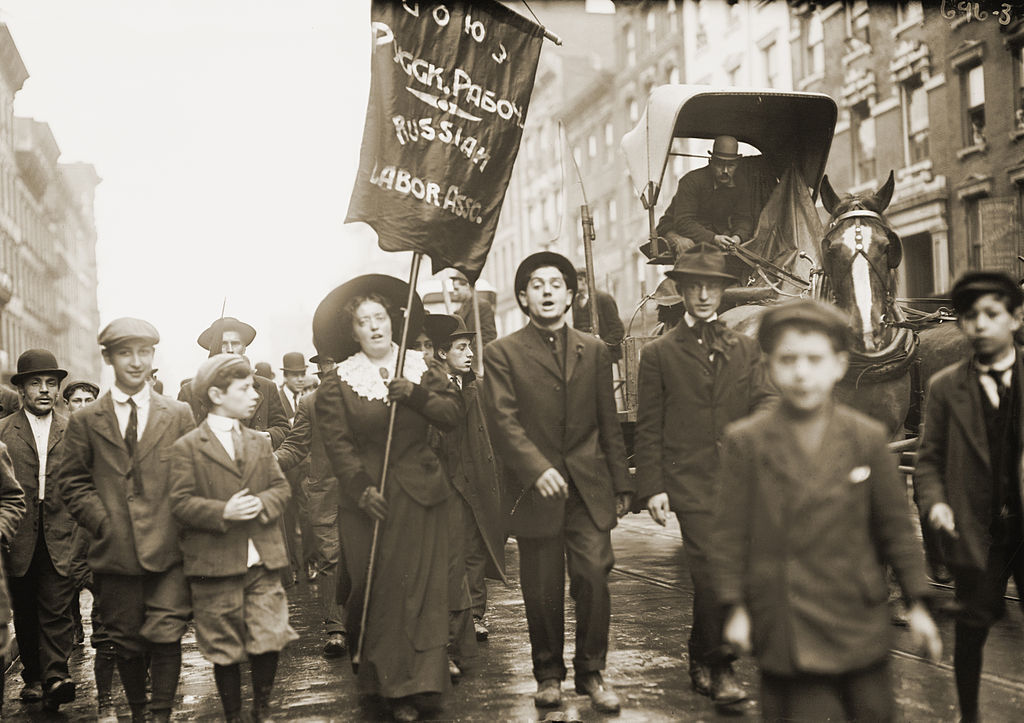
Union Re-use Fees
| Union Workers on Parade - 1909 |
Saturday, February 4, 2012
Music Licensing Resources
- Generic licensing provisions and explanations: We've posted examples and explanations for common generic content license agreement provisions. These should provide a basic understanding of the structure and organization of a typical license.
- Licensing songs and recordings for film and TV. There's an example of a Music Synchronization and Videogram License (with explanations) in our book, Getting Permission. That book also contains examples for a Master Use and Videogram License (for licensing sound recordings) and an agreement for licensing lyrics. You can also view examples of similar agreements online, for example here, here, and here.
- Licensing music for videogames. This ArtistsHouse page has a relevant article and video about music licensing for videogames. As EA's Steve Schur explains, the sync and master licenses mirror the agreements used in film licensing. As Schur also explains, when creating EA's theme music, EA seeks assignments, not licenses. ASCAP has posted a nice article on the elements of a videogame license.
- Copyright. There's a fairly thorough explanation of music copyright, and how to distinguish co-ownership issues in our Music Law book. We've also provided free copyright information at the Stanford Library site, and at Nolo's site.
- Getting legal help. California Lawyers for the Arts (or one of the other lawyers for the arts organizations throughout the country) should be your first stop. If there are no organizations near you, consider directories from Nolo (disclaimer: our employer) or Cornell University. Nolo also has articles on dealing with lawyers, including working with lawyers, fees, and attorney-client relationships.
Subscribe to:
Posts (Atom)